
The fundamental divide in the modern gaming industry is no longer about which specific games you choose to play, but rather the environment in which you choose to play them. For generations, the act of wagering money was inextricably linked to physical architecture. You had to travel to a specific destination, step onto a heavily regulated casino floor, and engage in a deeply social, sensory-rich experience. The digital revolution fractured this reality, creating a parallel ecosystem where the casino exists entirely inside a smartphone or laptop.
While the underlying mathematical rules of blackjack, roulette, and slot machines remain identical across both mediums, the execution, pacing, and psychological impact of the games differ drastically. Understanding the structural differences between land-based and online gambling reveals that these are not merely two versions of the same activity, but entirely distinct entertainment experiences catering to different consumer needs.
The Sensory Experience and Environmental Architecture
The most immediate and obvious divergence between physical and digital gambling is the sensory environment. A traditional land-based casino is a masterclass in environmental psychology. The architecture is intentionally designed to captivate and disorient in equal measure.
The Deliberate Chaos of the Casino Floor
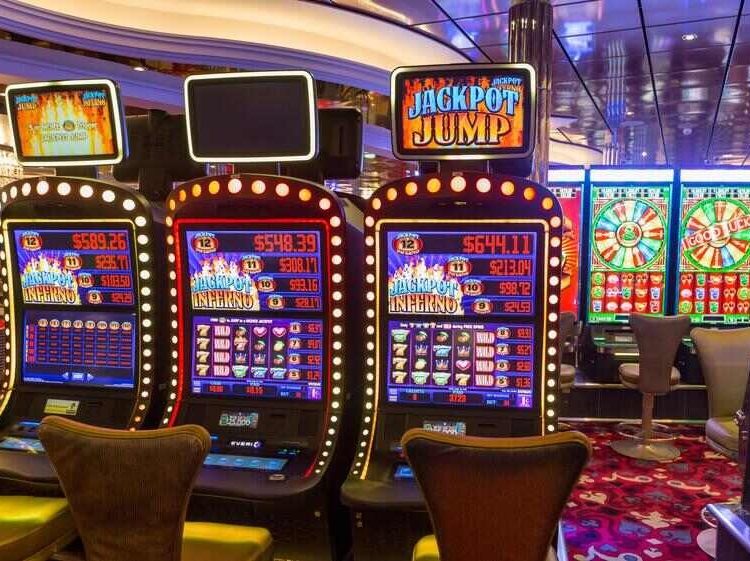
When you walk into a major resort casino, you are immediately hit by a carefully engineered wall of sound and light. The ringing of slot machine payouts, the tactile clatter of clay chips, the ambient chatter of the crowd, and the physical presence of dealers and cocktail waitresses create a highly charged atmosphere. The absence of clocks and windows is a well-documented architectural strategy designed to detach players from the outside world, creating a localized reality where time feels suspended.
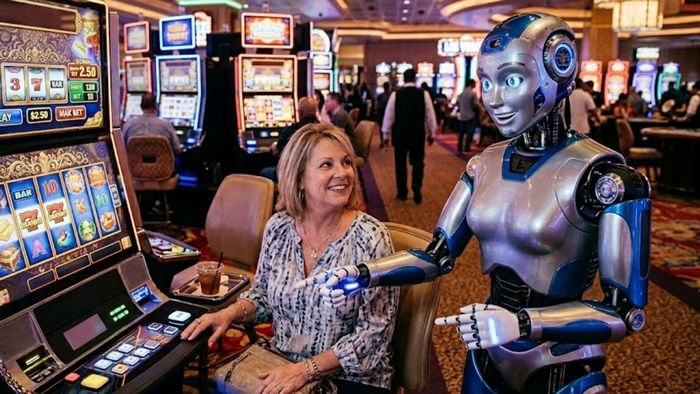
This environment is inherently social. A hot streak at a physical craps table becomes a communal event, with strangers high-fiving and celebrating shared victories against the house. The physical proximity to other players and the shared emotional highs and lows create a visceral energy that digital platforms simply cannot replicate.
The Clinical Efficiency of Digital Play
Online gambling strips away the architectural manipulation and social theater, distilling the experience down to its absolute mathematical core. When you log into a digital casino, you are in complete control of your environment. There is no ambient noise unless you choose to turn on the volume, no crowds to navigate, and no waiting for a seat to open at a busy table.
This isolation is a double-edged sword. On one hand, it allows for intense, uninterrupted focus. Professional and highly strategic players often prefer the digital realm because they can execute their betting systems without the distraction of loud tourists or slow dealers. On the other hand, the absence of human interaction can render the experience somewhat sterile. A massive jackpot won on a smartphone in a quiet living room does not carry the same immediate communal euphoria as a jackpot won on a crowded Las Vegas gaming floor.
Game Variety, Accessibility, and the Pacing of Play
Physical casinos are bound by the unforgiving limitations of real estate. Every square foot of a gaming floor must justify its existence by generating revenue. Digital platforms are bound only by server capacity, which is effectively infinite.
This physical limitation dictates game variety. A land-based casino will only dedicate floor space to the most popular, high-margin games. Online, an operator can host thousands of highly niche slot variations, obscure table games, and international game shows simultaneously. Because digital games do not require physical cabinets or human dealers, the barrier to entry for game developers is vastly lower, resulting in an explosion of creative and highly volatile game mechanics that would be financially unviable in a physical resort.
Furthermore, the pacing of play is exponentially faster online. A physical blackjack table is constrained by the speed of human hands. The dealer must manually shuffle the shoes, deal the cards, collect losing chips, and pay out winning bets. A fast dealer might comfortably clear fifty to sixty hands an hour. In an online, software-driven blackjack game, the shuffling and payouts are instantaneous. An online player can easily play over two hundred hands an hour. This accelerated pacing heavily amplifies both the velocity of potential wins and the aggressive realization of the house edge during a losing streak.
Financial Mechanics: Overheads and Return to Player
The contrasting economic realities of operating a physical resort versus a digital platform directly impact the mathematical odds offered to the consumer. A land-based casino is an incredibly expensive enterprise to maintain. The operator must pay for massive utility bills, property taxes, regulatory licensing, security teams, housekeeping, dealers, pit bosses, and marketing staff.
To offset these massive operational overheads, physical casinos must maintain a higher house edge, particularly on their slot machines. It is not uncommon for penny slots on the Las Vegas Strip to hold a Return to Player (RTP) percentage in the high eighties.
Online casinos operate with a fraction of the overhead. They do not require a hospitality staff or a billion-dollar physical structure. Because their margins are wider, they compete aggressively for market share by offering players significantly better mathematical odds. The average digital slot machine frequently boasts an RTP between ninety-five and ninety-seven percent. For the mathematically inclined gambler, the digital ecosystem offers undeniably better value for their wagered dollar over the long term.
The Evolution of Comps and Promotional Value
Both sectors utilize heavily structured reward systems to incentivize player loyalty, but they distribute this value in entirely different currencies.
Physical casinos built their empires on the traditional “comp” system. They reward consistent play with tangible hospitality perks: complimentary hotel suites, invitations to exclusive VIP banquets, free tickets to resident shows, and heavily discounted fine dining. The casino is essentially leveraging its massive resort infrastructure to provide you with a luxury vacation experience in exchange for your gaming action.
Online casinos cannot offer you a steak dinner or a penthouse suite. Instead, their loyalty programs revolve entirely around digital liquidity. They incentivize play through deposit match bonuses, free spins, and cashback rebates on losses. While these digital bonuses directly bolster a player’s active bankroll, they are almost always tied to strict wagering requirements. A player might receive a thousand dollars in bonus funds, but they must wager that amount thirty times over before it can be withdrawn to a bank account.
Bankroll Management and Psychological Friction
The way a player interacts with their money changes fundamentally depending on the medium, directly influencing their financial discipline.
In a land-based casino, there is a distinct friction of transaction. To gamble, you must physically walk to an ATM, withdraw paper currency, and exchange that cash for clay chips at a table. These chips possess a tangible weight and a physical presence. When your stack of chips dwindles, you physically feel the loss of capital. If you want to reload your bankroll, you have to endure the walk back to the ATM, which provides a natural psychological cooling-off period where you can rationally evaluate your decisions.
Online gambling effectively eliminates this friction. Your bankroll is reduced to pixels on a screen, which drastically alters how the human brain processes the value of the money. A fifty-dollar digital wager feels dangerously similar to spending points in a mobile video game. Furthermore, reloading an empty account requires nothing more than a few taps on a screen saved with a credit card or digital wallet. The seamless integration of digital banking makes it incredibly easy for a player on a bad run to chase their losses without experiencing the necessary psychological pause that a physical casino environment naturally enforces.
The Technological Convergence: Live Dealer Games
Recognizing the distinct advantages and drawbacks of both ecosystems, the industry has spent the last decade building a bridge between the two through the innovation of live dealer gaming.
Live dealer platforms broadcast real human dealers, operating genuine physical roulette wheels and dealing actual playing cards from heavily regulated studios directly to a player’s screen. Players make their betting decisions via a digital interface, but the outcome is determined by physical physics rather than a Random Number Generator (RNG) algorithm. This hybrid model successfully captures the transparent trust and human pacing of a land-based casino while maintaining the unmatched geographic convenience of digital play.
Ultimately, the choice between land-based and online gambling is not about finding the objectively superior platform, as neither is perfect. It is about aligning the medium with your specific entertainment goals. If your objective is a vibrant, communal weekend of luxury hospitality and social energy, the physical casino remains unmatched. However, if your goal is mathematical efficiency, accelerated pacing, and the ability to seamlessly transition from the boardroom to the blackjack table in a matter of seconds, the digital ecosystem has permanently rewritten the rules of engagement.