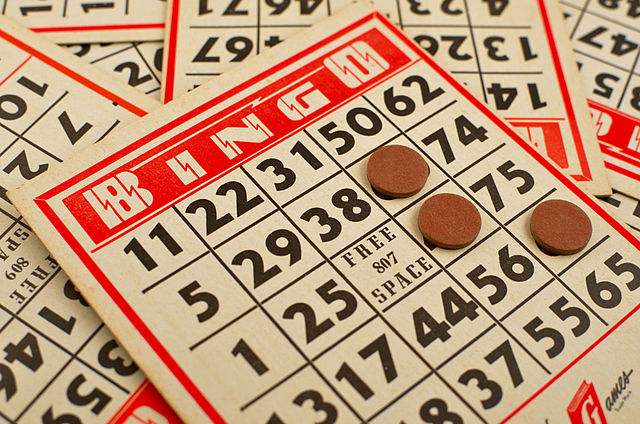

The transition of bingo from a localized, weekly social event into a globally accessible digital powerhouse completely fractured the traditional single-format experience. For decades, a player’s geographic location strictly dictated the version of the game they played. American halls rigidly adhered to the classic five-by-five grid, while European clubs exclusively called the ninety-ball variant. The advent of online gaming platforms erased those physical boundaries entirely. Today, modern players have instantaneous access to a vast spectrum of bingo formats, each uniquely engineered to deliver a distinct mathematical variance, pacing, and entertainment style. Understanding the structural differences between these variations is crucial for players looking to align their gaming sessions with their personal preferences, bankroll strategies, and time constraints.
The American Classic: 75-Ball Bingo
75-Ball Bingo remains the undisputed heavyweight of the North American market and a highly popular option on international digital platforms. The game utilizes a square five-by-five card, featuring twenty-four numbered spaces and a blank free space anchored directly in the center. The numbers one through seventy-five are divided into groups of fifteen, corresponding to the letters B, I, N, G, and O printed directly across the top margin.
What fundamentally separates the seventy-five-ball format from its international counterparts is the immense flexibility of its winning conditions. While a standard game might simply require a player to complete a horizontal, vertical, or diagonal line, the format truly thrives on complex pattern recognition. Callers frequently require players to mark off specific geometric shapes, such as a four-corner square, a diamond, an airplane, or a specific alphabetical letter. This pattern-based structure forces players to remain highly engaged, as the winning geometry can change drastically from one round to the next. The ultimate prize is traditionally reserved for a coverall, or blackout, where a player must successfully mark every single number on their card.
The Global Standard: 90-Ball Bingo
90-Ball Bingo is the traditional format of the United Kingdom and Australia, and its structure has heavily influenced the default architecture of the global online bingo industry. The tickets are designed entirely differently than the American variant. Each ticket features three rows and nine columns. Every row contains exactly five numbers and four blank spaces, meaning each ticket holds fifteen numbers in total. The numbers one through ninety are utilized, grouped by tens across the columns to help players quickly visually scan and locate the called numbers.
The pacing and prize structure of ninety-ball bingo are deeply sequential. A single game always unfolds in three distinct, escalating phases. The first prize is awarded to the first player who marks off a single horizontal line. The game immediately continues, with players now racing to complete two horizontal lines on the same ticket for a larger secondary prize. The final and most lucrative phase is the push for a full house, which requires marking all fifteen numbers. Because every game guarantees three separate winners and the draws take longer to complete, ninety-ball bingo offers a more relaxed, extended session time that strongly appeals to players looking to stretch their entertainment budget over a longer evening.
The Innovative Middle Ground: 80-Ball Bingo
80-Ball Bingo was originally designed specifically for electronic gaming terminals and physical shutter boards in legacy clubs before making a seamless transition to the internet. It was meticulously engineered to capture the sweet spot between the rapid pattern-matching of the seventy-five-ball game and the structured pacing of the ninety-ball format. The game is played on a four-by-four grid, containing exactly sixteen numbers without any free spaces. To aid in rapid visual scanning, each of the four columns is traditionally color-coded—usually red, yellow, blue, and silver.
This format supports a hybrid range of winning conditions that borrow from both of its predecessors. Players might be tasked with completing standard vertical or horizontal lines, marking the four corners, filling a specific colored column, or achieving a full house blackout. Because there are fewer balls in the hopper and fewer spaces on the grid than the ninety-ball version, eighty-ball games resolve significantly faster. It is the ideal format for modern players who enjoy pattern-based gameplay but prefer a slightly more accelerated draw rate than the traditional American classic provides.
The Adrenaline Rush: 30-Ball Speed Bingo
As mobile gaming began to dominate the digital landscape, developers recognized a massive consumer demand for ultra-fast, bite-sized entertainment. This demand birthed 30-Ball Bingo, frequently branded on digital platforms simply as Speed Bingo. The architecture of this variant is stripped down to its absolute bare essentials. The ticket is a tiny three-by-three grid containing just nine numbers, and only thirty balls are in play in the digital hopper.
There are no complex shapes to track and no multi-stage prize tiers to navigate. Thirty-ball bingo operates on a sudden-death, full-house-only rule set. The first player to mark all nine numbers wins the entire pot, and the round immediately concludes. The draws are executed at a blistering pace, with entire games often wrapping up in under two minutes. This format is explicitly tailored for commuters, mobile users, and players who want the adrenaline spike of rapid-fire gaming without committing to a drawn-out, twenty-minute session. The high turnover rate also means the prize pools accumulate and disburse quickly, creating a highly volatile but exceptionally exciting gameplay loop.
The Evolution of Specialty and Thematic Bingo
Beyond the core numerical formats, the modern bingo landscape is defined by how software developers have layered additional mechanics over the traditional rules. The digital environment allows for innovations that would be physically impossible or financially unviable in a legacy brick-and-mortar bingo hall.
Progressive Jackpot Integration
One of the most significant evolutions in the modern game is the integration of progressive jackpots across massive digital networks. In a traditional setting, the prize pool is strictly limited by the number of tickets sold in that specific physical room. Online platforms, however, connect thousands of players across multiple distinct websites into a single, massive liquidity pool. A fraction of every ticket purchased feeds directly into a central progressive jackpot. To trigger this massive payout, a player usually has to hit a full house within a severely restricted number of calls—for instance, marking a full ninety-ball ticket in forty draws or fewer. This mechanic introduces a lottery-style upside to standard bingo, allowing players buying tickets for pennies to compete for potentially life-changing sums.
Branded and Feature-Rich Rooms
Software developers frequently license massive entertainment intellectual properties to create branded bingo rooms. These are not just superficial cosmetic overlays; the themes directly impact the underlying gameplay mechanics. A room themed around a popular television game show might temporarily pause the standard number drawing to trigger a bonus feature, where the winning player must make a calculated risk regarding a hidden prize. Other specialty rooms incorporate mechanics explicitly borrowed from slot machines, such as wild numbers, win multipliers, or post-game mini-games that give players who were only one number away from winning a second chance at a consolation prize.
The Resurgence of Social Gameplay
Despite the transition to digital screens and automated daubing, the communal aspect of bingo remains a critical driver of its enduring popularity. Modern bingo platforms replicate the highly social atmosphere of a physical hall through integrated, heavily moderated chat rooms. However, these chat functions are no longer passive text boxes. Chat hosts actively run secondary chat games alongside the primary bingo draw. They reward engaged players with loyalty points, free tickets, or minor cash prizes for answering trivia questions or typing specific phrases when certain numbers are called. This dual-layered engagement ensures that players remain entertained and socially connected to the community even if their primary bingo tickets are not performing well on a given night.
The sheer variety of bingo formats available today ensures that the game can continually adapt to the exact preferences of the individual player. Whether seeking the extended, three-tiered tension of a ninety-ball game, the rapid-fire intensity of a thirty-ball speed round, or the complex geometry of the traditional American grid, the modern ecosystem provides immediate, on-demand access. By removing the geographic constraints that once defined how the game was played, the industry has successfully transformed bingo from a rigid, monolithic pastime into a highly customizable, modern entertainment experience.